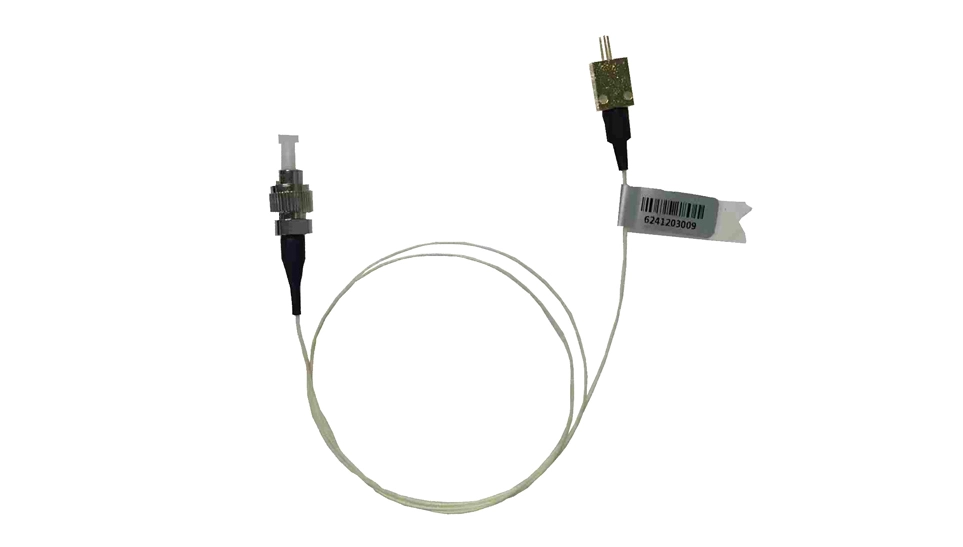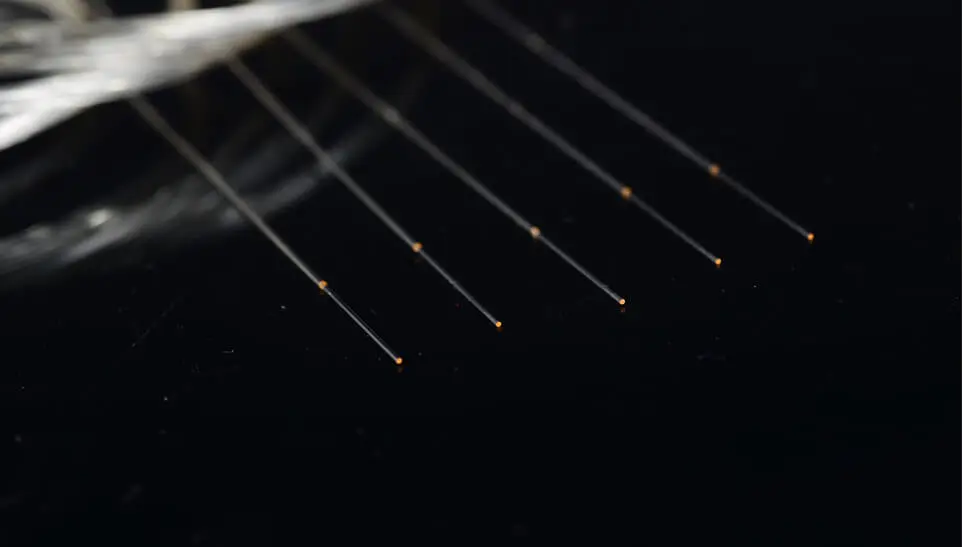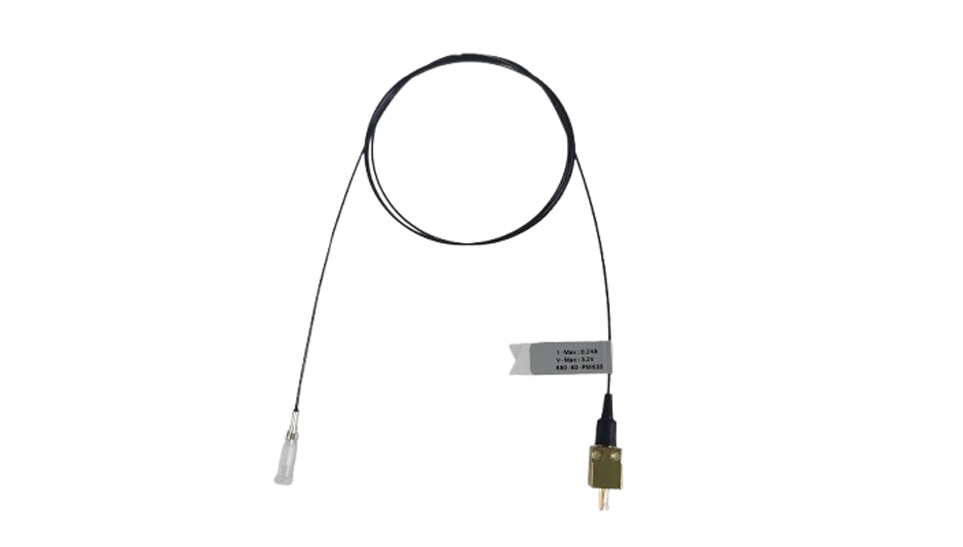
In modern photonics, achieving high-efficiency optical coupling is more important than ever — whether you’re working with lasers, sensors, or advanced optical systems. One of the most effective ways to optimize optical signal transmission is through Angle Polished Fiber.
This comprehensive guide explains what angle polished fiber is, why it matters, how it compares with other fiber terminations, and how to choose the best solution for your application.
Angle Polished Fiber (APF) is a type of fiber optic termination where the fiber endface is polished at a precise angle — typically between 8° to 12°. This angled geometry helps reduce back-reflection and Fresnel loss, which are common challenges in high-performance optical systems.Unlike flat cleaves, angle polish fiber significantly improves:
Return loss
Signal stability
Optical power transfer
This makes angle polished fiber ideal for applications demanding low back-reflection and high coupling efficiency.
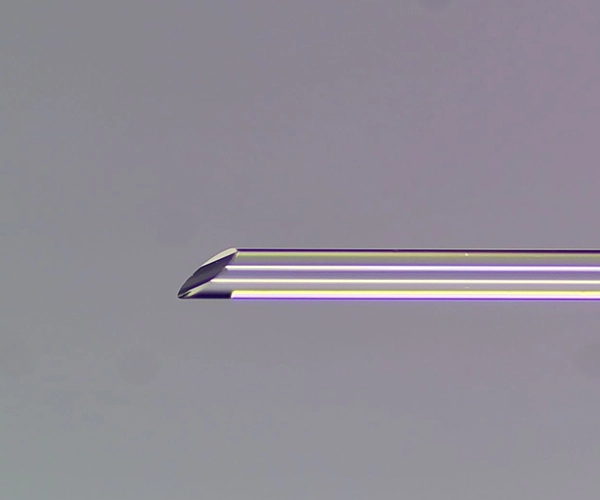
An angle-polished endface helps redirect reflected light away from the optical path, which:
Minimizes interference
Reduces noise
Improves system sensitivity
Most angle polished fiber tips are engineered with high-precision polishing tools to maintain strict geometry tolerances — typically under a few degrees.
| Feature | Angle Polished Fiber | Standard Flat Fiber |
|---|---|---|
| Back-reflection | ✔ Significantly reduced | ❌ Higher |
| Return Loss | High (better performance) | Lower |
| Optimal for Lasers | ✔ Yes | ◼ Only in some uses |
| Sensitivity | Higher precision | Standard |
From the table above, angle polished fiber clearly excels in high-performance optical systems.
Photonstream’s angle polished fiber product line includes:
Single-mode angle polished fiber
Multi-mode angle polished fiber
Hybrid custom geometries
Each type is engineered for specific coupling requirements, from laser-to-fiber alignment to fiber-to-chip interfaces.
Back-reflection can cause interference and signal instability. Angle polishing redirects reflected light away from the core path, improving signal integrity.
High return loss is crucial for lasers and high-speed communication systems. Angle polishing helps achieve return loss values often exceeding industry standards.
Angle polished fiber is widely used in:
Laser coupling modules
Photonic integrated circuits (PICs)
Telecommunication equipment
Precise optical sensors
Medical and spectroscopy systems
Angle polished fibers improve coupling efficiency by minimizing reflection — especially critical in high-power laser systems.
In photonics sensors, reducing back-reflection increases measurement sensitivity and accuracy.
When coupling light into photonic chips, angle polished fibers help optimize mode alignment and reduce insertion loss.
When selecting angle polished fiber for your system, consider these key specs:
Polish Angle Tolerance – Typically ±0.5° or better
Return Loss (dB) – Higher is better for precision systems
Working Distance (WD) – Optimal spacing between fiber tip and target
Mode Field Diameter (MFD) – Match with your laser or detector
At Photonstream, we specialize in precision-engineered optical fiber solutions, including Angle Polished Fiber designed for reliability, performance, and scalability. As one of the trusted lensed fiber manufacturers serving advanced photonics applications, we combine precision fabrication with application-driven customization to deliver superior optical performance.
Explore our product page:https://www.photonstream.com/products/angle-polish-lensed-fiber
Here’s why engineers choose Photonstream:
Every angle polish is processed with strict geometric control to deliver exceptional optical performance.
Anti-reflective coatings are available for wavelength-specific optimization.
For industrial or hermetic environments, we provide metalized tips and rugged packaging.
From R&D to OEM deployment, Photonstream can scale with your project needs.
| Application | Best Fiber Type | Why |
|---|---|---|
| Laser Coupling | Single-mode Angle Polished | Minimizes reflection |
| Sensing Modules | Multi-mode Angle Polished | Broader mode acceptance |
| Chip Integration | Hybrid Angle Polished | Precise mode match |
Define your wavelength and power requirements
Select the appropriate mode (single or multi-mode)
Choose coating options for your spectral range
Specify working distance and tolerance
Partner with a supplier like Photonstream for optimization
Angle polished fiber is not just another fiber termination — it’s a high-performance solution that dramatically improves optical coupling, minimizes back-reflection, and enhances overall system efficiency.Whether you're integrating lasers, building high-precision sensors, or optimizing fiber-to-chip interfaces, choosing a quality angle polished fiber supplier matters.
 Call us on:
  Email Us:
  2F, BLDG 6, #168, Changshan IZ, Liulian, Pingdi, Longgang District, Shenzhen, China
  EN
EN
 jp
jp  ko
ko  fr
fr  de
de  es
es  it
it  ru
ru  pt
pt  ar
ar  pl
pl