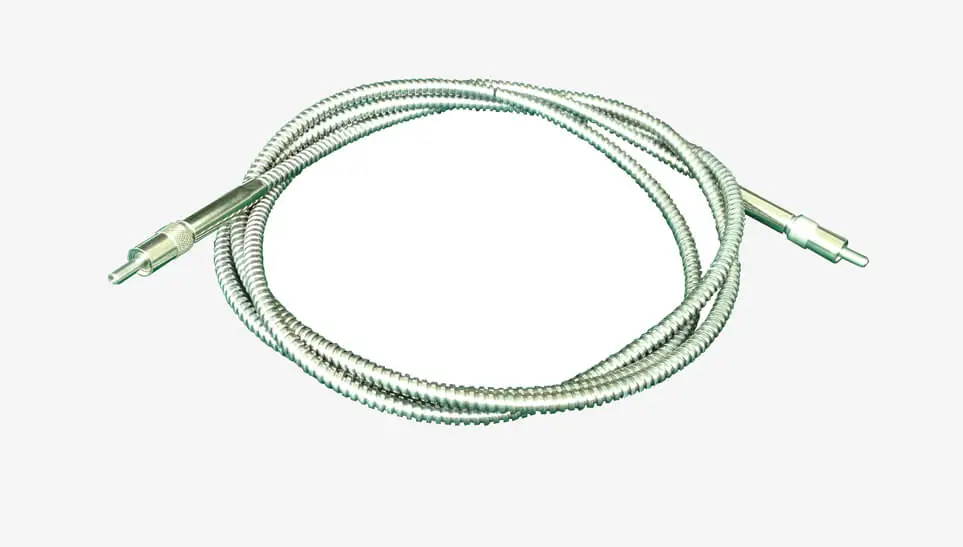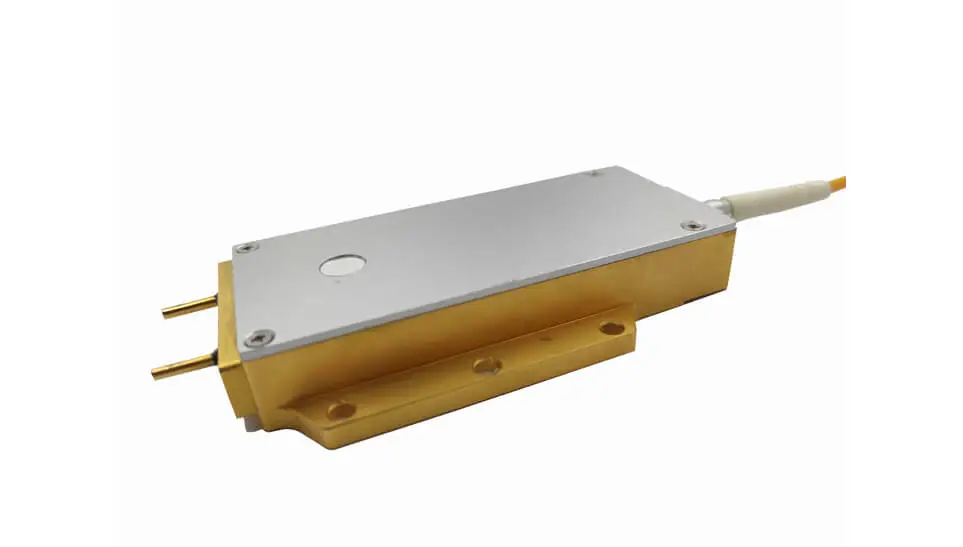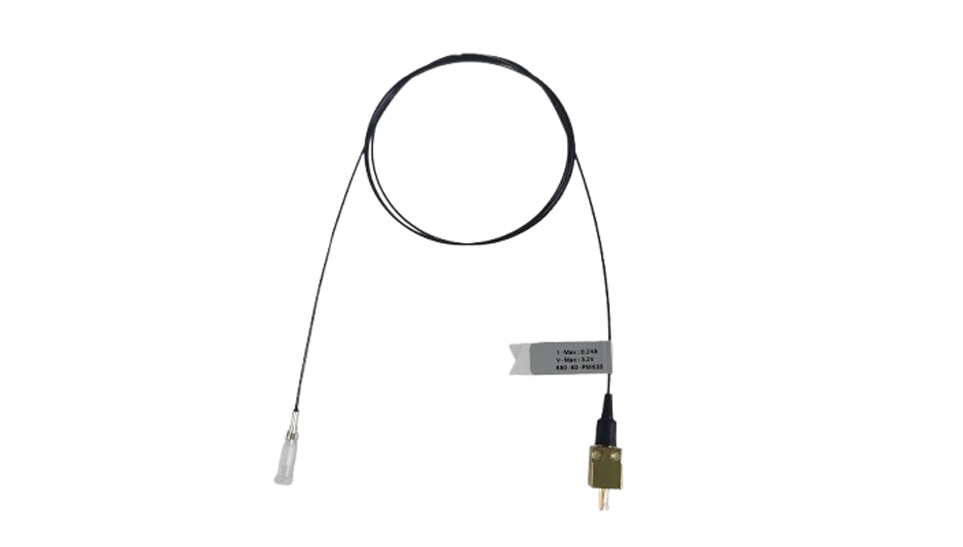
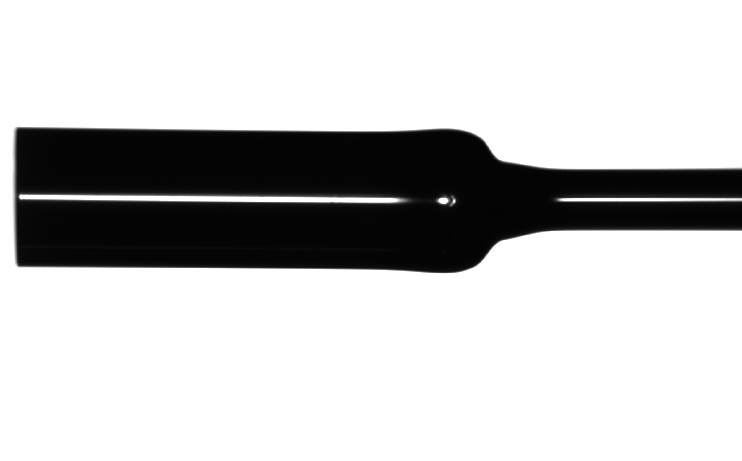
End Cap Fiber is a revolutionary technology that has been making waves in the fiber optics industry. It is an essential component in the transmission of data through fiber optic cables. In this article, we will delve into the details of fiber end cap, its significance, and how it benefits various industries.
Fiber optic end cap refers to a specialized fiber optic component that is installed at the end of a fiber cable. Its role is to protect and support the fragile fiber strands and ensure smooth data transmission. It acts as a seal against dust, moisture, and other external contaminants that could damage the delicate fibers. End Cap Fiber also helps in reducing signal loss and enhances the overall performance of the fiber optic system.
1. Protection: The primary function of fiber optic end cap is to shield the exposed ends of fiber optic cables, preventing any damage that could occur during installation or maintenance activities. By providing a physical barrier, it ensures the longevity of the fiber strands and protects them from environmental elements.
2. Improved Signal Quality: End Cap Fiber plays a key role in maintaining signal integrity by minimizing signal loss. It effectively reduces the reflection and scattering of light at the end of the fiber, leading to higher data transmission speeds and improved overall signal quality. This is particularly crucial in long-distance communication systems where signal degradation can significantly impact performance.
3. Enhanced Reliability: With the installation of end cap fiber, the overall reliability and durability of the fiber optic system are greatly enhanced. By preventing any damage or contamination to the fiber ends, it helps in minimizing downtime and ensures uninterrupted data transmission. This is especially vital in critical applications such as telecommunication networks, data centers, and healthcare facilities that rely heavily on continuous connectivity.
End Cap Fiber finds applications in various industries where fiber optics play a crucial role:
1. Telecommunications: In the telecommunications industry, End Cap Fiber is used extensively for the installation and maintenance of fiber optic networks. It ensures reliable connections and helps in maintaining high-speed data transmission over long distances.
2. Data Centers: Data centers are the backbone of the digital world, and End Cap Fiber is an integral component in their infrastructure. It helps in protecting and maintaining the fiber optic links that connect servers, switches, and storage devices, ensuring efficient data transfer and minimal downtime.
3. Medical Sector: The medical sector heavily relies on fiber optic technology for various applications, such as imaging systems, surgical equipment, and telemedicine. End Cap Fiber ensures that these critical systems operate without any interruptions, allowing healthcare professionals to deliver accurate diagnoses and treatments.
End Cap Fiber is a vital component in the field of fiber optics, offering numerous benefits such as protection, improved signal quality, and enhanced reliability. Its applications span across a wide range of industries, underscoring its significance in modern-day communication and data transfer. By investing in high-quality End Cap Fiber, businesses and organizations can ensure seamless connectivity and maximize the efficiency of their fiber optic systems.
Fiber end caps work by covering the exposed end of the optical fiber. They prevent contamination from particles like dust and moisture, which could otherwise degrade the signal quality. Some fiber end caps also come with a sealing feature that prevents the ingress of harmful elements, ensuring the fiber remains clean and operational for longer periods.
No, a fiber optic end cap does not directly affect the performance of the fiber. Its primary function is to protect the fiber from environmental contaminants that could damage the fiber or affect its performance. By preventing external contaminants from reaching the fiber’s core, it helps maintain the integrity of the fiber and ensures that the fiber remains functional for its intended purpose.
When selecting a fiber end cap, consider the following factors:
Size and Compatibility: Ensure that the fiber end cap fits the diameter of your fiber, whether it's single-mode or multi-mode.
Material: Choose a cap made from durable materials such as plastic or rubber to ensure long-lasting protection.
Usage: Consider the environment in which the fiber will be used. For example, if the fiber is exposed to outdoor conditions, opt for end caps with enhanced sealing properties.
Fiber end caps are typically designed for single use, especially those used in splicing or during installations. However, in some cases, certain fiber end caps made from durable materials may be reused, provided they are still in good condition and have not been exposed to contamination or damage.
 Call us on:
  Email Us:
  2F, BLDG 6, #168, Changshan IZ, Liulian, Pingdi, Longgang District, Shenzhen, China
  EN
EN
 jp
jp  ko
ko  fr
fr  de
de  es
es  it
it  ru
ru  pt
pt  ar
ar  pl
pl