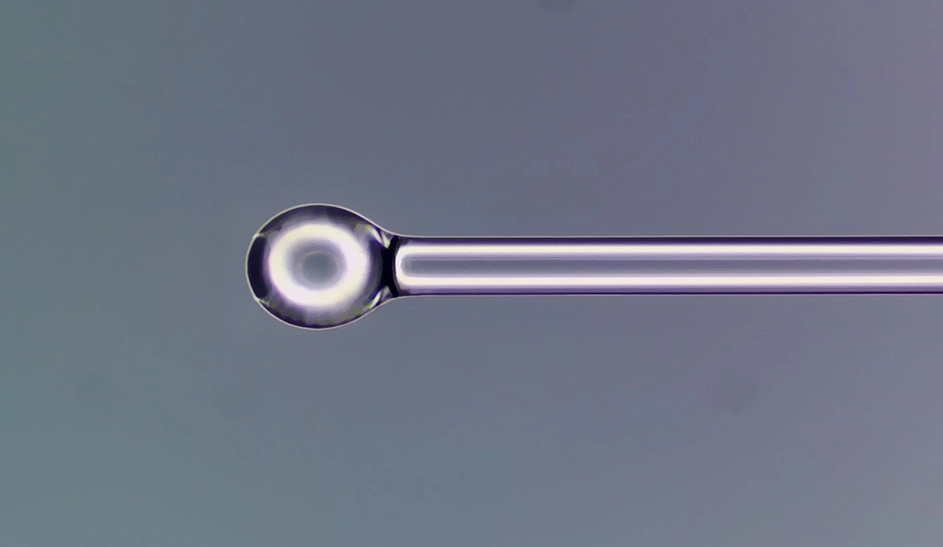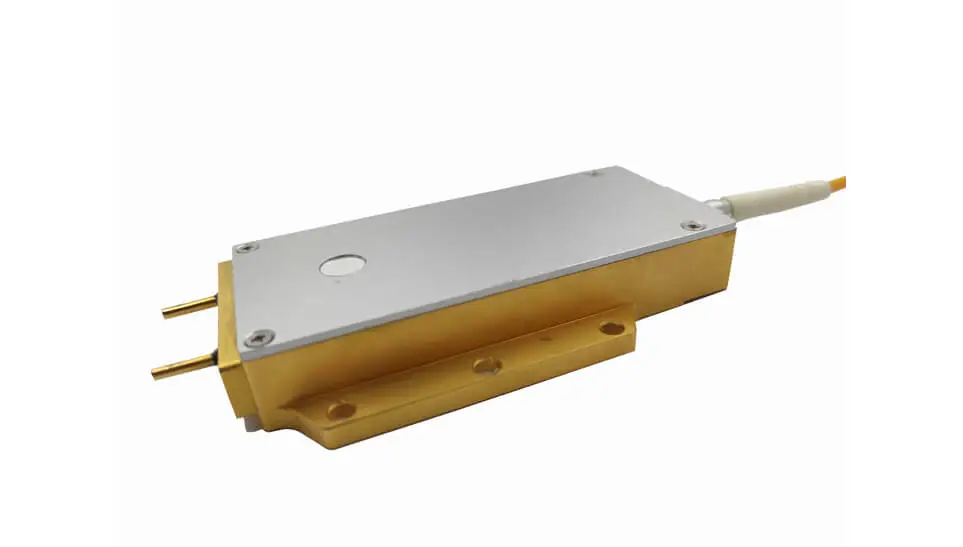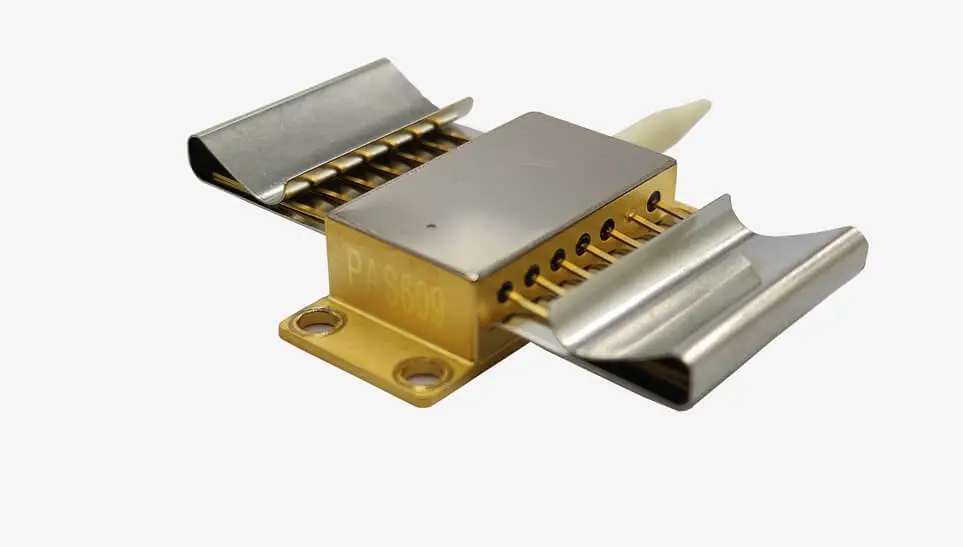
Laser material processing refers to a wide range of industrial applications that utilize lasers for cutting, welding, drilling, marking, and surface treatment of various materials. To achieve the high precision and beam quality required for these tasks, many lensed fiber manufacturers provide the critical optical components that optimize laser delivery. This technology offers numerous advantages over traditional methods, including superior speed, versatility, and a non-contact nature. Consequently, laser material processing finds extensive applications in high-stakes industries such as automotive, aerospace, electronics, medical, and advanced manufacturing.
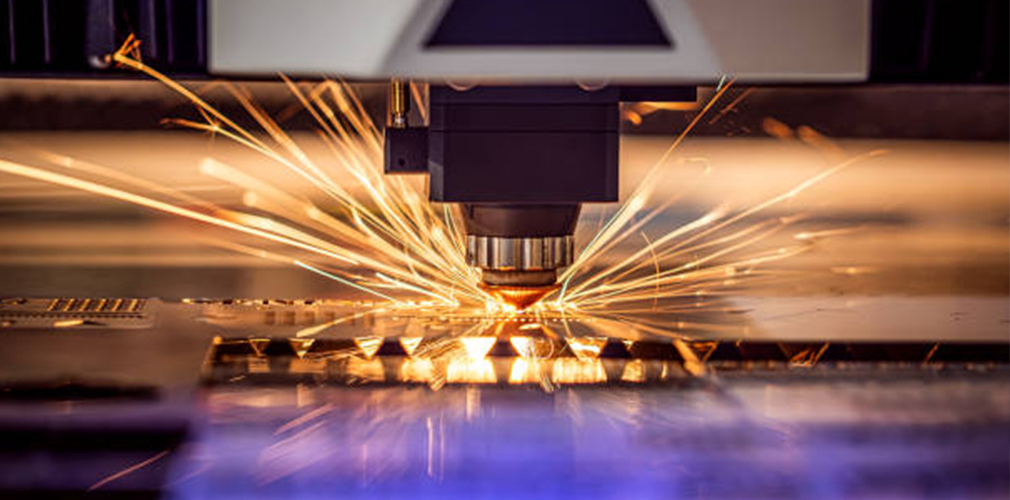
Laser cutting is one of the key applications of lasers in material processing, widely used in industries that require high-precision results for metals, plastics, and composites. This precision is often enhanced by advanced optical delivery systems, where a lensed fiber array ensures optimal beam focusing and energy distribution. The focused laser beam melts or vaporizes the material, creating a narrow and precise cut with minimal heat-affected zones. This superior accuracy and the ability to cut complex shapes make laser cutting ideal for demanding applications such as automotive body parts, electronic components, and medical devices.
Laser welding is another important application of lasers in material processing. Laser welding provides a highly efficient and precise method for joining materials. The intense heat generated by the laser beam melts the materials, creating a strong and reliable weld. Laser welding is used in industries such as automotive, aerospace, and electronics for joining components with high strength and quality, such as engine parts, aircraft structures, and circuit boards.
Laser drilling is utilized in industries that require precise and controlled drilling of materials. The focused laser beam can create holes with diameters ranging from micrometers to millimeters, depending on the application. Laser drilling is commonly used in industries such as electronics, aerospace, and medical for applications such as micro-vias in circuit boards, cooling holes in turbine blades, and medical implants.
Laser marking is a non-contact method of permanently marking or engraving materials. The laser beam removes or modifies the surface layer of the material, creating high-contrast and durable markings. Laser marking is widely used in industries such as automotive, electronics, and packaging for product identification, branding, and traceability purposes.
Laser surface treatment involves modifying the surface properties of materials to enhance their performance. This can include processes such as laser cleaning, laser hardening, and laser alloying. Laser surface treatment is used in industries such as automotive, aerospace, and tooling to improve wear resistance, corrosion resistance, and surface finish of components.
In conclusion, lasers have revolutionized material processing in various industries. Laser cutting, welding, drilling, marking, and surface treatment offer superior precision, speed, and versatility compared to traditional methods. The applications of lasers in material processing are vast and diverse, enabling industries to achieve higher productivity, quality, and efficiency in their manufacturing processes.
 Call us on:
  Email Us:
  2F, BLDG 6, #168, Changshan IZ, Liulian, Pingdi, Longgang District, Shenzhen, China
  EN
EN
 jp
jp  ko
ko  fr
fr  de
de  es
es  it
it  ru
ru  pt
pt  ar
ar  pl
pl